05
Who holds Ramah to account.
Four people sit on Ramah's board today, of seven seats. Three hold no executive role in the Foundation, which means the people who run Ramah can be overruled by the people who govern it. Between them they carry responsibility for its finances, safeguarding and legal compliance.
The board is still being constituted, and registration of the more recent appointments with Ghana's Office of the Registrar of Companies is being formalised. Three seats are open: a vice-chairperson, a safeguarding champion, and a director rooted in Nabdam District.
Independent directors
No executive role in the Foundation, and no payment from it.
Humanitarian health
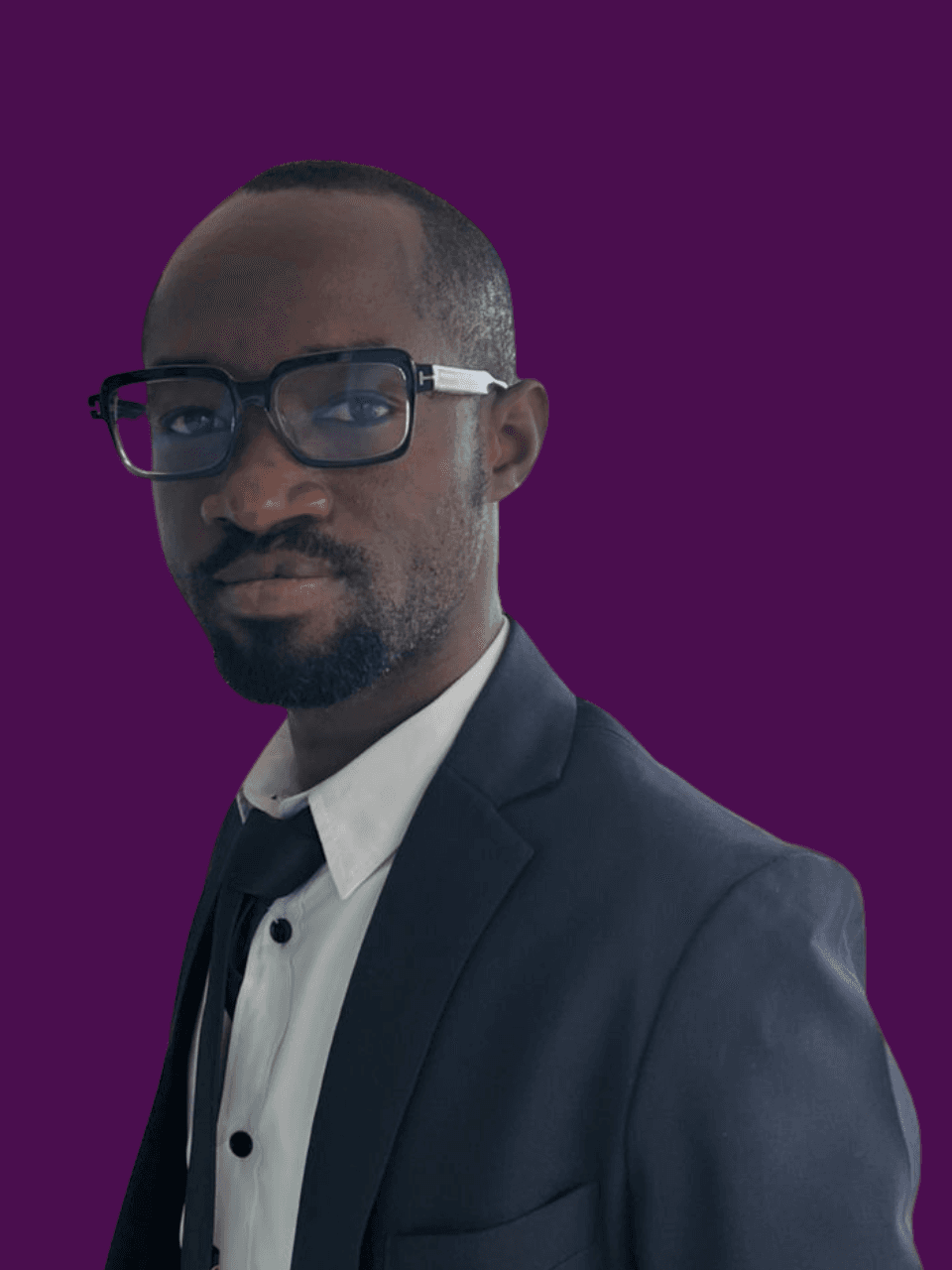
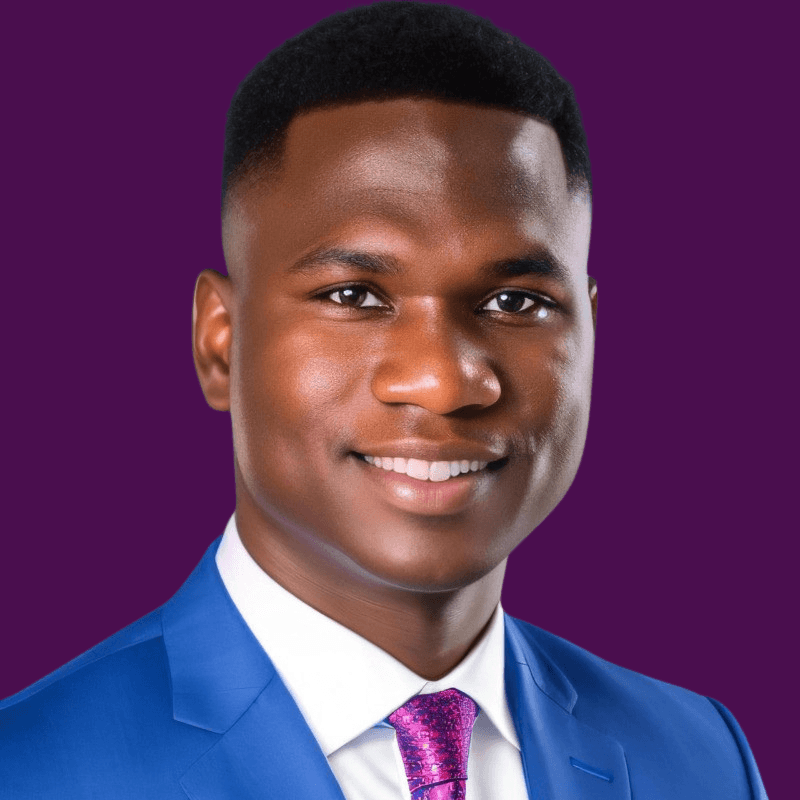
David Atiah
Chairperson
IndependentCatholic Relief Services · MA Population and Health, University of Cape Coast
David Atiah has spent his working life in the health system of northern Ghana. He trained as a community health nurse at Navrongo and spent five years with the Ghana Health Service at CHPS compounds, the tier that carries primary care to households furthest from a hospital, running immunisation outreach and health promotion across their catchment areas. Today, as a Community Mobilization Specialist with Catholic Relief Services, he keeps medicines and health commodities moving to 120 facilities across the Upper East, Savannah, Northern and North-East Regions, and represents the agency to the Ghana Health Service and the National Ambulance Service. Along the way he managed a USD 300,000 COVID-19 emergency response for World Vision Ghana, co-designed a maternal and child health programme at Plan International Ghana, and established ten community-based child protection committees. He holds an MA in Population and Health from the University of Cape Coast, with graduate training in global health leadership from the University of Washington. Sixteen years have carried him from a single compound to four regions, and Nabdam sits inside the ground he already covers.
Finance and audit
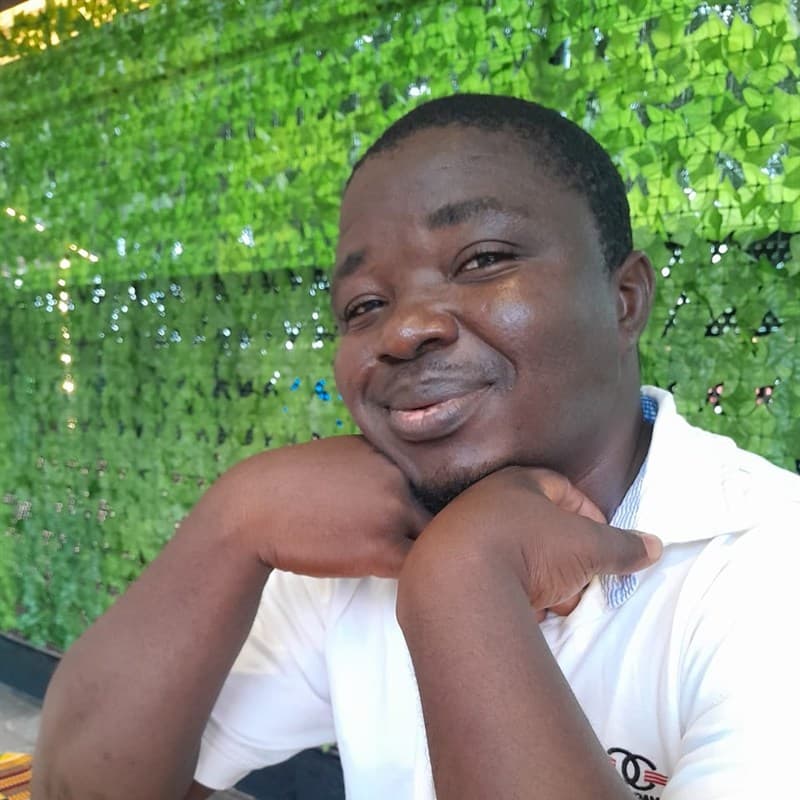
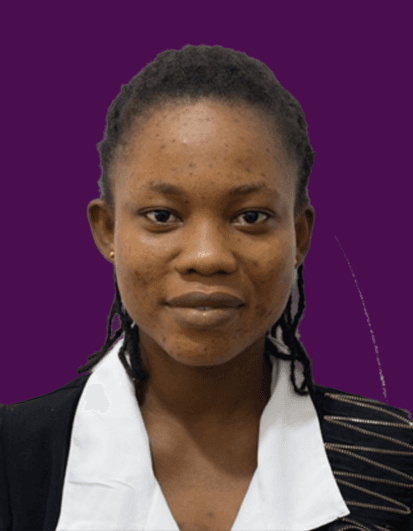
Emmanuel Boateng
Treasurer
IndependentInstitute of Chartered Accountants, Ghana · MPhil Finance, University of Ghana
Emmanuel Boateng is an Associate Member of the Institute of Chartered Accountants, Ghana, and holds a BSc in Accounting from the University of Ghana, where he is completing an MPhil in Finance. His thesis traces how global shocks, geopolitical risk, oil prices and monetary policy, transmit into African equity and currency markets across seventeen years of data. He teaches graduate courses in corporate governance and financial risk management at the University of Ghana Business School, and was first runner-up in the 2024 CFA Research Challenge (Ghana). He has also run an organisation: as president of a student body of more than two thousand members at Legon, he carried the strategy, the administration and the external relationships. What he does every weekday morning matters most for a treasurer, though. As economic policy analyst for Zed 101.9 FM and The New Finder, he explains exchange rates, inflation, debt restructuring and IMF programmes to an audience of non-economists.
Legal and compliance
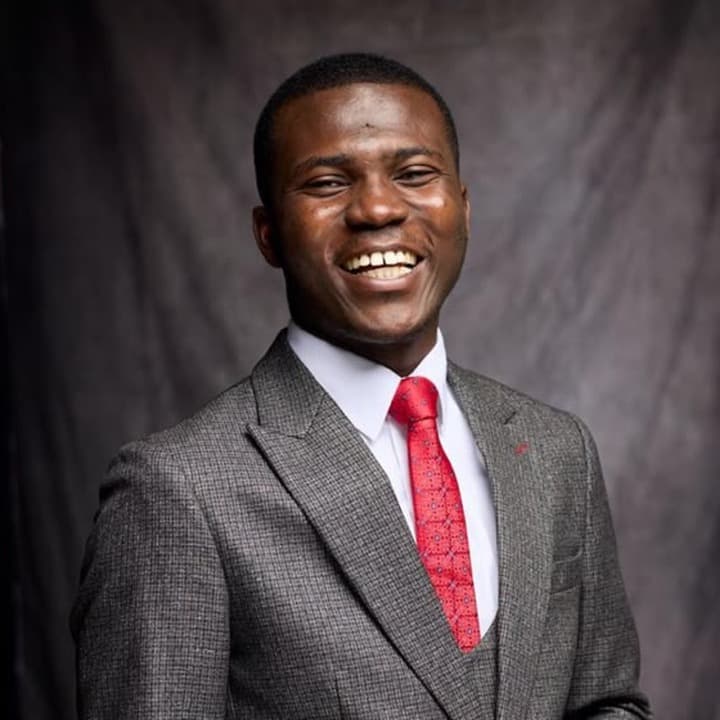
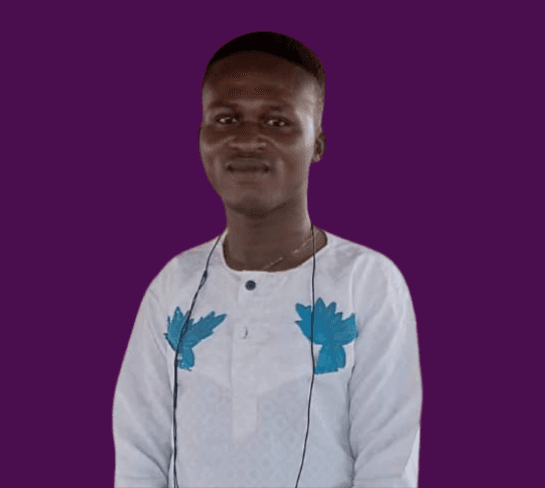
Christian Aziz Jabaru
Director, Legal Affairs
IndependentUniversity of Ghana School of Law · World Bank African Mining Legislation Atlas
Christian Aziz Jabaru works on the World Bank's African Mining Legislation Atlas, the legal research team that turns the mining laws of a continent into one repository people can actually use. The work is jurisdictional research, regulatory mapping and drafting, and its purpose is accessibility: law that governments, investors and citizens can read without a lawyer at their elbow. He holds a Post-First Degree LLB from the University of Ghana School of Law, an MPhil in Human Resource Management and a BSc in Public Administration, all from Legon, where he has been a graduate research and teaching assistant for six years. He is also a published researcher, with chapters and papers on industrial policy in Ghana, human resource management in construction, and corporate social responsibility among small firms in weak institutional settings, which is the study of how good intentions fail when institutions are thin.
Executive director
He runs the Foundation day to day, and he is accountable to the three above.
Strategy and leadership
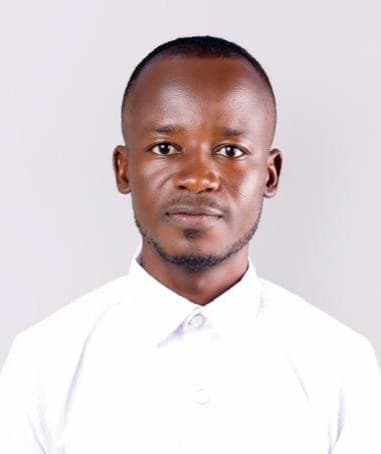
Founder and Executive Director
Head of Engineering at Agregar Technologies
Patrick Attankurugu came to Accra in June 2016 on a placement from an employment agency, as a house help. He enrolled at the University of Ghana and read computer science while keeping the job, then left with the degree and joined Ghana Digital Centres Limited as an AI and machine learning engineer. Two years later he moved to Agregar Technologies as a machine learning engineer; two promotions on, he heads its engineering team, building AI systems used by financial institutions across Africa. He wrote down the idea for Ramah in 2021 and called the first friends together in 2023. On 2 June 2026, after ten years in Accra, he left for Bolgatanga to launch it. He is from Zebilla in the Upper East, and as Executive Director he sets Ramah's direction, builds partnerships and represents the Foundation externally.
Management
Below the board, not on it. Nobody at Ramah holds a seat on both sides of that line.
Volunteers and community entry
Martin Asambo Atemgu
Volunteer Engagement Manager
Doctor of Pharmacy student · Endswell Pharmacy, Bolgatanga
Martin Asambo Atemgu is a Doctor of Pharmacy student and has worked with Endswell Pharmacy in Bolgatanga for the past five years, which is five years of listening to people describe what is wrong with them and what they can afford to do about it. He owns volunteer engagement: who joins Ramah, what they are asked to do, and whether anyone follows up. He also walks the community entry with the Executive Director, and was with him at the Nabdam District Assembly in September 2026 on the Foundation's first institutional visit to the district.
Programmes, end to end
Vision2Grant Consult · MA Project Management, GIMPA
Lawrencia Owusu is a project manager working across environment, education and health, and a co-founder of Ramah. She is founder and chief executive of Vision2Grant Consult, where she helps nonprofits, faith-based organisations and community initiatives turn plans into funded programmes: grant and proposal writing, budget development, strategic planning and evaluation. Since November 2022 she has been a programme officer at the Ghana National Education Campaign Coalition, which advocates for reform of Ghana's education system. Her first field work was environmental, leading education and awareness for the University of Ghana's plastic recycling project. She holds an MA in Project Management from GIMPA and a BSc in Zoology and Animal Biology from the University of Ghana, with specialist training in Gender Equality and Social Inclusion and in safeguarding. She served as a director of the Foundation from registration until August 2026, and stepped off the board to lead programmes. She now owns them end to end: how they are designed, how they are delivered in Nabdam, and what the evidence says about whether they worked. The board that scrutinises that work no longer includes her, which is the point of the change.